Exploring Rundāle Palace Gardens at Your Own Pace
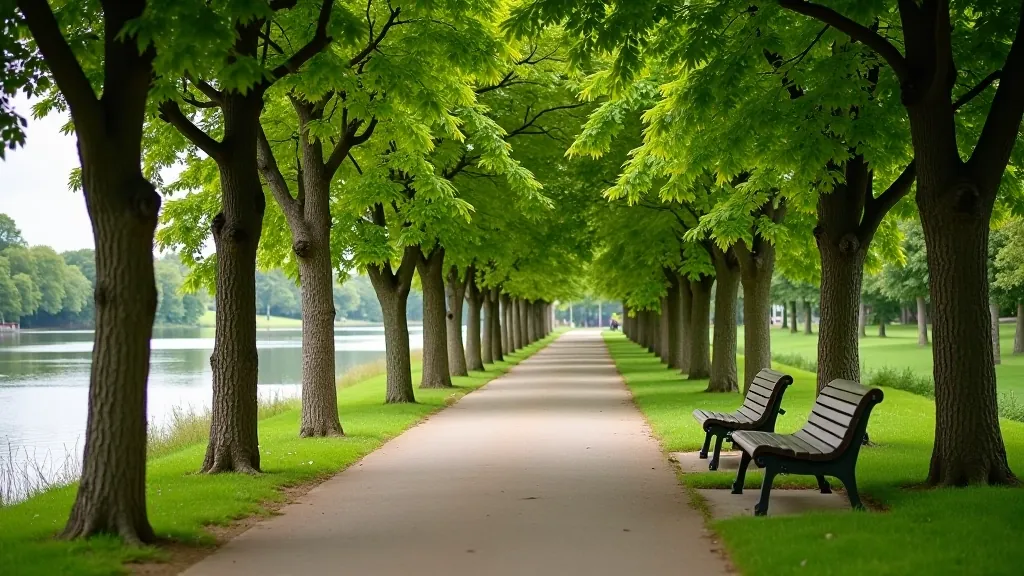
Gentle walking route through one of Latvia's most beautiful palaces, with plenty of benches and shaded areas for rest.
Read GuideA practical checklist covering footwear, clothing layers, navigation tools, and supplies you'll want with you for comfortable outdoor adventures.
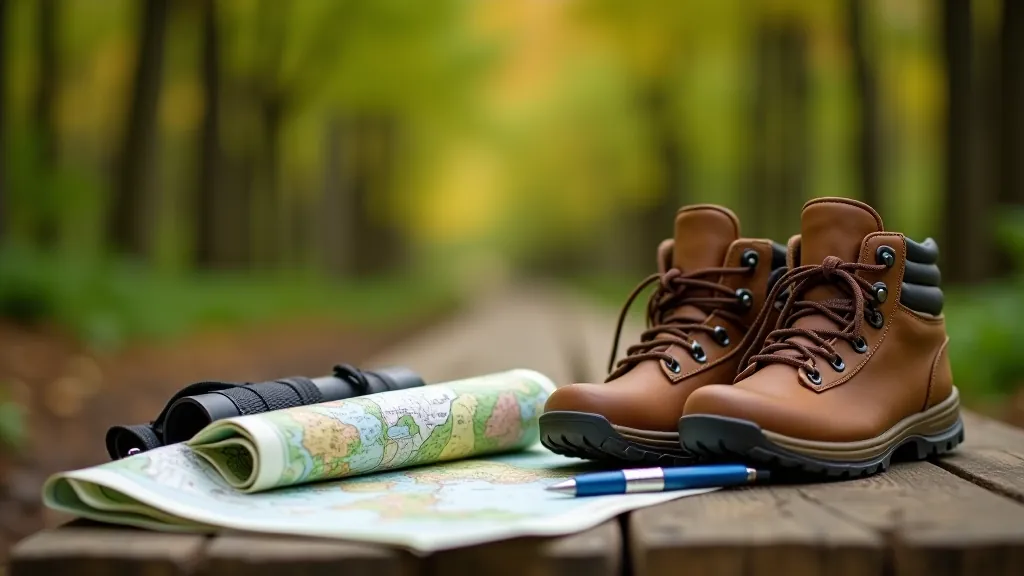

Whether you're planning a gentle walk through Rundāle Palace Gardens or exploring the Bauska riverside path, proper preparation makes all the difference. It's not about packing everything you own — it's about bringing the right things so you're comfortable, safe, and ready for whatever the day throws at you.
The best walking experiences don't come from expensive gear or elaborate planning. They come from being prepared in sensible ways. You'll move faster when your feet feel good. You'll enjoy the views more when you're warm enough but not overheated. And you'll have the confidence to explore a bit further when you know you've got what you need.
Boots or shoes designed for walking
Adapt to changing weather easily
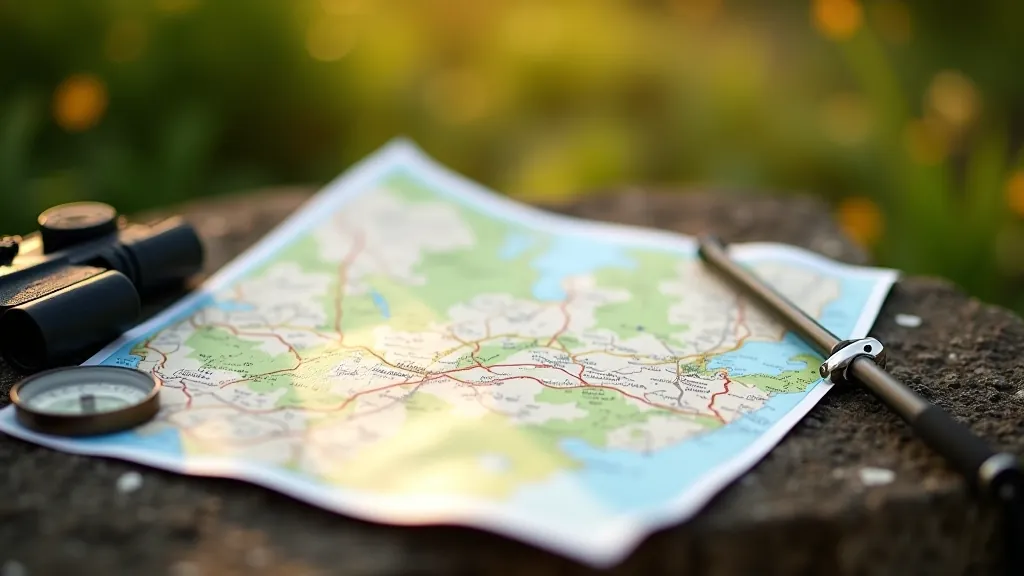
Map, phone, or GPS device
Stay energized throughout the walk
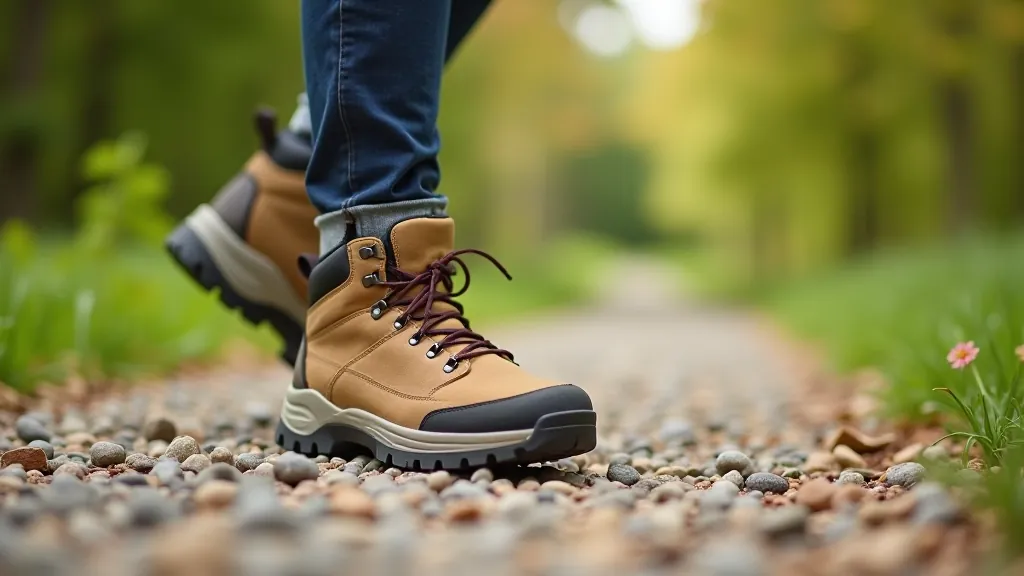
Your shoes are the foundation of every walk. Bad footwear ruins even the best route. You don't need expensive hiking boots — but you do need shoes that fit well and are actually designed for walking on varied terrain.
Walking boots or trail shoes should have:
Socks matter too. Wool or synthetic blend socks are better than cotton. They keep moisture away from your skin and prevent blisters. Bring an extra pair — wet socks make everything miserable.
Pro tip: Test your shoes on a 20-30 minute walk before committing to a longer route. You'll know immediately if there's a blister problem.
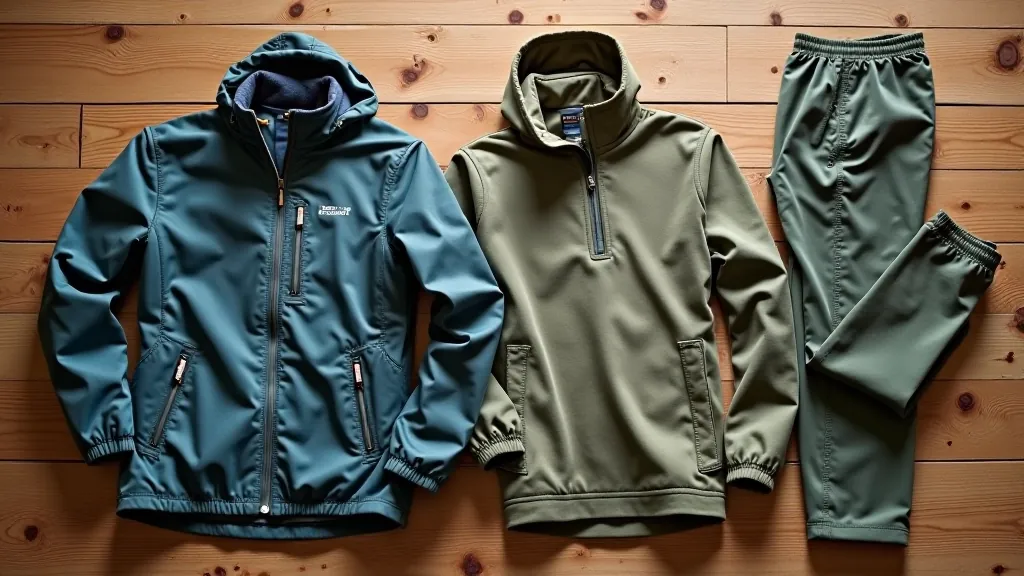
The key to comfortable walking isn't one perfect outfit — it's wearing layers you can adjust. Even on a nice day, you'll warm up once you start walking, then cool down if you sit and rest, then warm up again as you continue.
A simple three-layer system works:
Base layer: Long-sleeve shirt or lightweight thermal. Keeps moisture off your skin. Avoid cotton.
Mid layer: Fleece or lightweight wool sweater. Adds warmth without weight. Easy to tie around your waist when you're warm.
Outer layer: Windproof or waterproof jacket. You don't need it to be heavy — just effective. Pack it even if the forecast looks clear.
For bottoms, avoid jeans. They're stiff when wet and heavy. Walking trousers or hiking pants dry faster and move better. Bring a hat — you lose a lot of heat through your head, and sun on your face gets tiring after an hour.
Note: This guide provides general information about preparing for day walks. Individual needs vary based on age, fitness level, health conditions, and specific route characteristics. Consider consulting with a healthcare provider before starting any new physical activity, particularly if you have existing health concerns. Always check weather forecasts and trail conditions before departing, and let someone know where you're going.
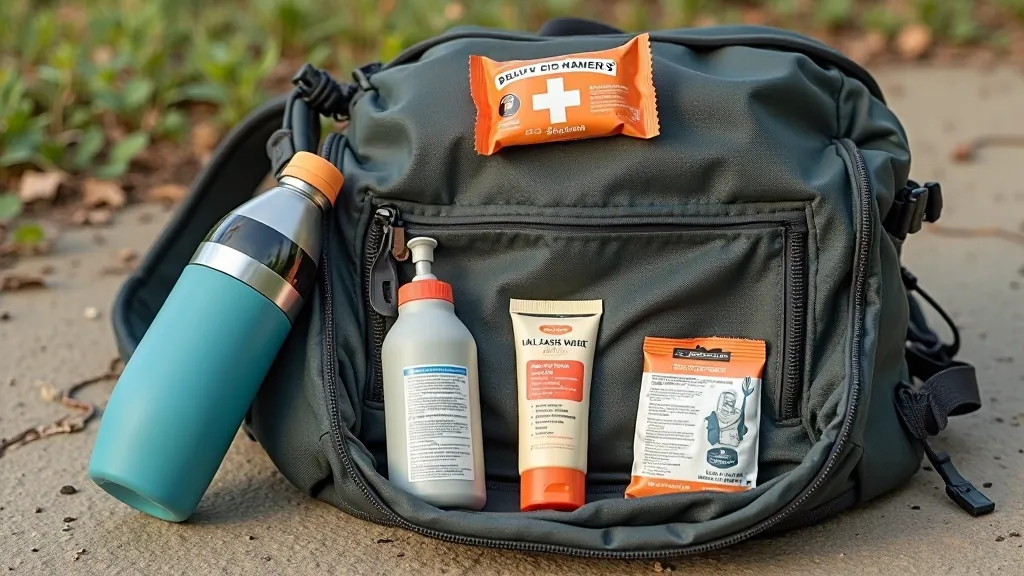
A good daypack should be light — maybe 3-5 kg (7-11 pounds) fully loaded. You're not camping. You're walking for a few hours. Bring supplies that actually help.
Water: At least 1-1.5 liters. Don't skip this. Dehydration makes everything harder and less enjoyable. Drink small amounts regularly rather than waiting until you're thirsty.
Food: Energy bars, fruit, nuts, or sandwiches. Something with carbs and protein. You'll need fuel if you're walking for more than 90 minutes. Take more than you think you'll need — it's light and you might want to rest longer than expected.
First aid basics: Blister plasters (crucial), pain relief, bandages, and antiseptic wipes. A small roll of tape helps with blisters if you feel one forming.
Sun protection: Sunscreen and sunglasses. You're exposed to sun longer on a walk than you might realize, especially if you're near water.
Phone: Charged and with a portable power bank if possible. Also carries your offline maps and emergency contact ability.
Tissues, a small notebook, a pen — these small items get used more than you'd expect. Keep your pack organized so you can find things quickly without dumping everything out.
Most people walk at about 4-5 km per hour on relatively flat terrain. Adjust down for hills or rough paths. Add 20-30% extra time for rest stops, photos, and just enjoying the scenery. You're not racing.
Start early enough that you'll finish with daylight to spare. Nothing gets stressful faster than realizing you've still got 3 km to go and the sun's setting. In summer you have more time. In winter, start earlier.
Tell someone where you're going and when you expect to be back. Not as a formal check-in system — just let a family member or friend know. If something goes wrong, at least someone knows where to look.
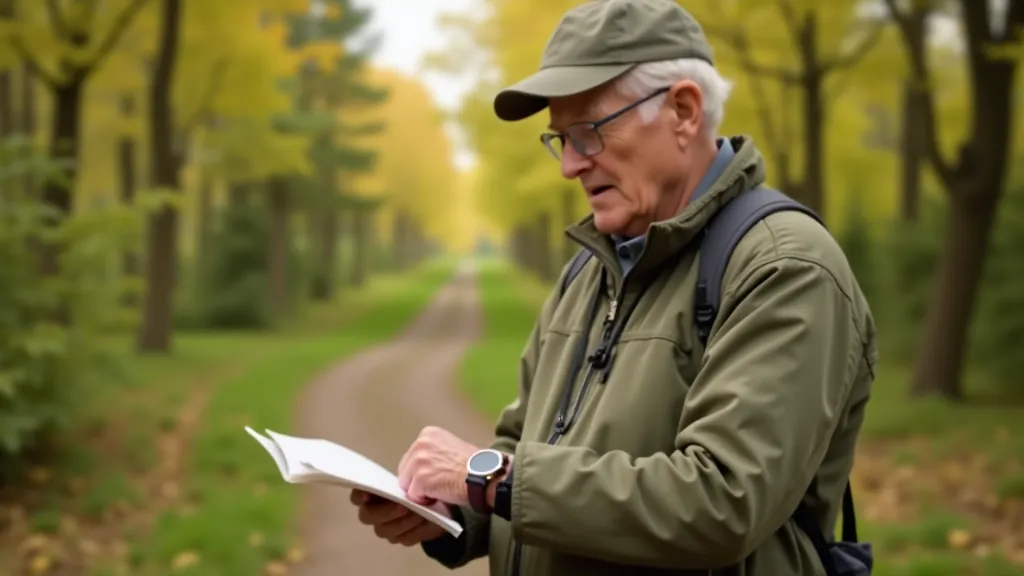
That's really it. Good shoes, appropriate layers, water, a simple map, and basic supplies. Nothing fancy. Nothing expensive. Just sensible preparation that lets you focus on what matters — being outside, moving at your own pace, and enjoying wherever you're walking.
The routes around Rundāle Palace and the Bauska riverside are beautiful exactly because they're accessible. They don't demand much from you. But they give back generously if you're prepared to enjoy them properly. Get your gear sorted, pack your bag, and head out.